



Causes of White Hair at a Young Age: Why Are Young Adults Getting White Hair Early?
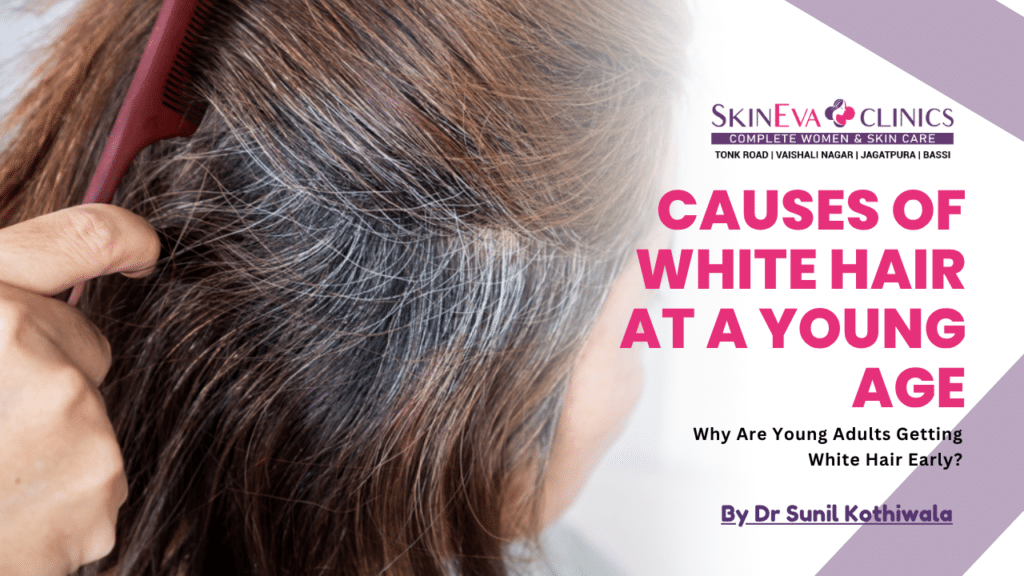
Seeing white or grey hair in your teenage years or twenties can feel shocking and stressful. Many young people ask, “Why is my hair turning white so early?” If you are noticing white strands at a young age, you are not alone. Premature greying has become more common in teenagers and young adults due to genetics, lifestyle habits, stress, and health-related issues.
Understanding the real causes of white hair at a young age can help you take better care of your hair and possibly slow down the process. Whether you are a student, a working professional, or a parent worried about your child, knowing why early greying happens is the first step toward managing it.
Common Reasons of White Hair at Young Age
Genetics: The Most Common Reason
Family History Plays a Big Role
One of the biggest reasons for white hair at a young age is genetics. If your parents or grandparents experienced premature greying, there is a strong chance you may too.
Why genetics matter:
- Hair pigmentation patterns are inherited
- Melanin production may naturally reduce early
- Family history often decides when greying starts
- Some ethnic groups may grey earlier than others
If white hair runs in your family, it may not always be preventable, but understanding this can reduce unnecessary worry.
Nutritional Deficiencies That Can Cause Early White Hair
Young people often skip meals, follow unhealthy diets, or depend heavily on junk food, which can lead to vitamin and mineral deficiencies.
Vitamin B12 Deficiency
Vitamin B12 is essential for healthy red blood cells and melanin production. Low B12 levels are common in vegetarians, vegans, and those with poor eating habits.
Common signs:
- Tiredness
- Weakness
- Pale skin
- White hair at a young age
Vitamin D Deficiency
Many teenagers and young adults spend more time indoors, leading to low vitamin D levels. Vitamin D supports healthy hair follicles and pigmentation.
Copper Deficiency
Copper helps in melanin formation. A lack of copper can directly affect hair color.
Iron Deficiency
Iron deficiency is especially common in young women due to menstrual blood loss. Low iron reduces oxygen supply to hair roots, which may lead to early greying.
Zinc and Folate Deficiency
These nutrients are important for hair growth and pigmentation. Poor diets can lead to deficiencies that affect hair health.
Stress: A Major Modern-Day Cause
Academic Pressure and Career Stress
Students today face intense pressure from studies, exams, social expectations, and career goals. Constant stress can increase cortisol levels, which may damage pigment-producing cells.
Emotional Stress
Relationship problems, social media pressure, lack of confidence, and mental exhaustion can also contribute to premature greying.
How stress affects hair:
- Damages melanocytes
- Increases oxidative stress
- Disturbs sleep
- Weakens overall hair health
Managing stress through exercise, meditation, hobbies, and proper sleep can help.
Medical Conditions Linked to White Hair in Youth
Sometimes premature greying can indicate an underlying medical condition.
Common conditions include:
- Thyroid disorders (hyperthyroidism or hypothyroidism)
- Vitiligo
- Alopecia areata
- Pernicious anemia
- Celiac disease
These conditions can affect melanin production or nutrient absorption, leading to premature white hair.
Lifestyle Habits That Increase White Hair
Smoking and Vaping
Smoking produces oxidative stress and harms hair follicles. Many young smokers notice early white hair compared to non-smokers.
Poor Diet
Fast foods, sugary beverages, and processed snacks usually lack nutrients essential for healthy hair.
Sleep Deprivation
Late-night study sessions, excessive screen time, and poor sleep can disrupt body repair systems and increase oxidative damage.
Excessive Heat Styling
Regular use of straighteners, curling tools, and blow dryers can damage hair health.
Chemical Damage from Hair Products
Many young people experiment with hair coloring, bleaching, rebonding, or chemical treatments. Harsh chemicals can damage hair roots and melanocytes, making white hair appear sooner.
Environmental Factors
Pollution
Air pollution can increase free radical damage, affecting hair pigmentation.
Sun Exposure
Too much sun without protection may weaken hair cells.
Chlorinated Water
Frequent swimming in chlorinated pools may also contribute to hair damage.
Hormonal Changes in Teenage Years
Puberty causes major hormonal fluctuations, which may impact hair texture and color in some individuals. Thyroid imbalance or hormonal disorders can also play a role.
Excessive Use of Hair Products
Modern hair styling products often contain strong chemicals that can slowly damage hair structure. Frequent use of hair dyes, bleaching agents, straightening treatments, and heat styling tools weakens the hair shaft and affects natural pigmentation over time.
While these products may not directly cause white hair in every case, they can accelerate the process, especially in people who already have a genetic tendency toward premature greying. Continuous chemical exposure increases stress on hair follicles and reduces their ability to maintain natural color.
Switching to gentle, natural hair care products and reducing the use of heat styling tools can help protect hair health and slow down early greying.
Can White Hair at a Young Age Be Prevented?
If genetics are the main reason, prevention may be limited. However, lifestyle improvements can slow down the process.
Helpful steps:
- Eat a balanced diet rich in B12, iron, zinc, copper, and vitamin D
- Reduce stress
- Avoid smoking and vaping
- Sleep 7–8 hours daily
- Limit chemical treatments
- Protect hair from pollution and heat
- Get medical tests if greying is sudden or excessive
Conclusion
White hair at a young age can happen for many reasons, including genetics, poor nutrition, stress, medical conditions, and unhealthy lifestyle habits. For many teenagers and young adults, stress and unhealthy eating habits are major contributing factors.
While genetics cannot be changed, improving your lifestyle, managing stress, and correcting nutritional deficiencies can make a big difference. Early action is important. If you are noticing white hair in your teens or twenties, don’t ignore it—understanding the cause can help you protect your hair health and confidence for the future.
Leave a Comment