

Hair Fall vs Hair Loss: Real Difference, Causes, Symptoms, and Right Treatment
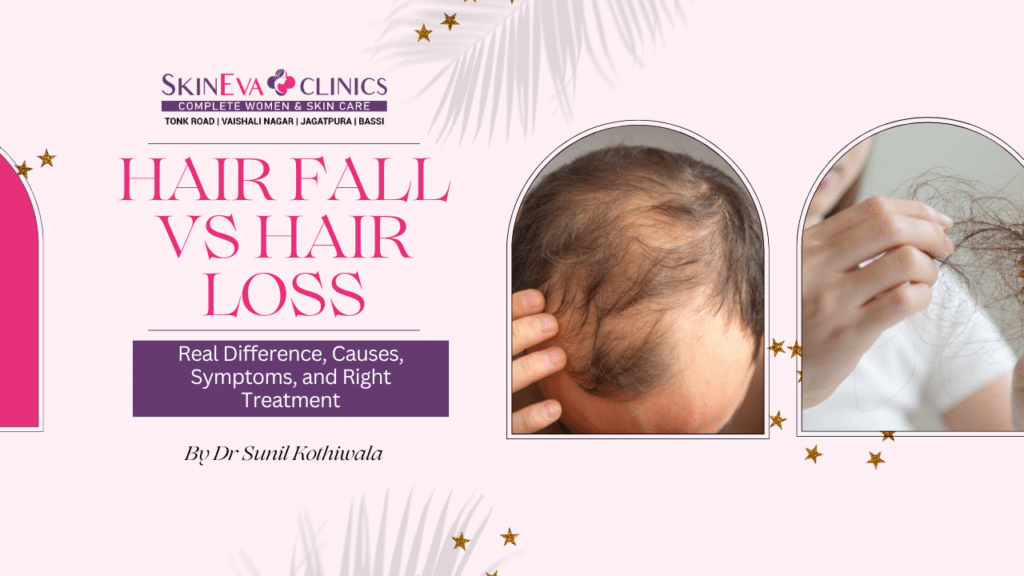
Hair concerns have become increasingly common today, affecting people of all ages—teenagers, young adults, men, and women alike. One of the biggest misunderstandings people have is confusing hair fall with hair loss. Many people panic when they notice strands of hair on their pillow, in the shower drain, or while combing, immediately assuming they are going bald. However, not every strand of hair shedding means permanent hair loss.
Understanding the difference between hair fall vs hair loss is essential because both conditions are different in their causes, patterns, severity, and treatment approaches. Hair fall may often be temporary and reversible, while hair loss can sometimes indicate a progressive condition requiring medical attention.
A healthy scalp naturally sheds around 50–100 hairs per day as part of the normal hair growth cycle. This is completely natural. However, when shedding becomes excessive, sudden, or is accompanied by visible thinning, bald patches, or pattern changes, it may indicate a deeper issue such as telogen effluvium or androgenetic alopecia. Telogen effluvium is typically diffuse, temporary shedding after triggers like stress or illness, while androgenetic alopecia involves progressive follicle miniaturization and patterned thinning.
This detailed guide will help you clearly understand the difference between hair fall and hair loss, what causes each, how to identify warning signs, and when to seek treatment.
What Is Hair Fall?
Hair fall refers to the natural or temporary shedding of hair from the scalp. It is often part of the body’s normal hair cycle, where older hair strands shed to make room for new growth. In many cases, hair fall is not permanent and the follicles remain healthy, allowing regrowth.
Hair Growth Cycle and Hair Fall
Hair grows in three major phases:
1. Anagen Phase (Growth Phase)
This is the active growing stage where hair continues to grow for 2–6 years.
2. Catagen Phase (Transition Phase)
A short transitional stage where hair growth slows.
3. Telogen Phase (Resting and Shedding Phase)
This is when hair rests and eventually sheds naturally.
In normal conditions, only a certain percentage of hair is in the shedding phase. However, when physical stress, hormonal changes, nutritional deficiencies, or illness push more follicles into the telogen phase, temporary excessive shedding can occur—known as telogen effluvium.
Common Causes of Hair Fall
Hair fall is often triggered by temporary or reversible factors, including:
- Emotional stress or anxiety
- High fever or illness
- Surgery or trauma
- Nutritional deficiencies (Iron, Protein, Vitamin D, B12, Zinc)
- Pregnancy or postpartum hormonal changes
- Crash dieting or sudden weight loss
- Poor sleep
- Thyroid imbalance
- Pollution or harsh hair products
Signs of Hair Fall
- Diffuse shedding all over the scalp
- More hair on pillow, comb, or bathroom floor
- Hair strands usually appear full-length with white bulb
- Sudden increase after stress or illness
- Usually temporary with possible regrowth
What Is Hair Loss?
Hair loss is a broader medical condition where hair density gradually decreases because hair follicles weaken, shrink, or stop producing healthy hair. Unlike temporary shedding, hair loss may become long-term or permanent if untreated.
Hair loss often involves miniaturization, where hair follicles progressively produce thinner, weaker strands over time until visible hair growth reduces significantly. This is especially common in androgenetic alopecia (pattern baldness).
Common Types of Hair Loss
1. Androgenetic Alopecia (Male or Female Pattern Baldness)
This is the most common type of hair loss and is mainly influenced by genetics and sensitivity to DHT (dihydrotestosterone).
In Men:
- Receding hairline
- Temple thinning
- Crown baldness
In Women:
- Widening part line
- Diffuse crown thinning
2. Alopecia Areata
An autoimmune condition causing patchy bald spots.
3. Traction Alopecia
Hair loss resulting from long-term tight hairstyles such as braids, ponytails, or hair extensions.
4. Scarring Alopecia
Permanent damage to follicles due to inflammation or scalp disease.
Major Causes of Hair Loss
Genetics
Family history is one of the strongest factors in pattern hair loss.
DHT Sensitivity
DHT gradually shrinks follicles in genetically sensitive individuals.
Autoimmune Conditions
Alopecia areata can cause sudden patchy loss.
Ageing
Hair density naturally decreases over time.
Chronic Medical Issues
Lupus, scalp disorders, or untreated hormonal issues can worsen loss.
Key Signs of Hair Loss
- Gradual thinning over months or years
- Patterned hairline recession
- Crown thinning
- Visible scalp
- Bald patches
- Weaker regrowth
Hair Fall vs Hair Loss: Major Differences
| Feature | Hair Fall | Hair Loss |
| Nature | Temporary shedding | Progressive thinning or baldness |
| Pattern | Diffuse, all over scalp | Specific pattern or patches |
| Main Causes | Stress, deficiency, illness | Genetics, hormones, autoimmune |
| Hair Follicles | Usually healthy | May shrink or become damaged |
| Regrowth | Usually yes | Depends on diagnosis |
| Severity | Often temporary | May become permanent |
| Treatment | Lifestyle correction | Medical diagnosis often needed |
When Does Normal Hair Fall Become Hair Loss?
It can sometimes be difficult to tell whether you are experiencing normal shedding or actual hair loss.
The 100-Hair Rule
- 50–100 hairs daily = Usually normal
- 100–150+ hairs consistently = Needs attention
Duration Matters
If excessive shedding lasts longer than 2–3 months, it may suggest chronic telogen effluvium or underlying medical causes.
Pattern Matters
- Hair falling equally from everywhere = Usually hair fall
- Hair thinning mainly at crown, temples, or partition = Possible hair loss
Best Treatment Options for Hair Fall
1. Improve Nutrition
Focus on:
- Protein-rich foods
- Iron-rich foods
- Nuts and seeds
- Leafy vegetables
2. Manage Stress
Yoga, meditation, sleep improvement, and exercise can help restore normal cycles.
3. Gentle Hair Care
- Mild shampoo
- Avoid heat styling
- Avoid tight hairstyles
- Scalp massage
4. Correct Medical Triggers
Treat thyroid issues, anemia, or hormonal imbalances.
Best Medical Treatments for Hair Loss
Treatments:
- Topical Minoxidil
- Finasteride (for appropriate patients)
- PRP therapy
- Low-level laser therapy
- Corticosteroid injections (for autoimmune causes)
- Hair transplant surgery
Because hair loss treatment depends heavily on the cause, dermatological evaluation is essential before starting treatment. Early diagnosis can improve long-term outcomes, especially for progressive or scarring forms.
Can Hair Fall Turn Into Hair Loss?
Yes, in some cases. If temporary hair fall caused by chronic stress, hormonal imbalance, or nutritional deficiency remains untreated for a long time, overall hair density may reduce. Additionally, telogen effluvium can sometimes reveal underlying pattern hair loss that was previously unnoticed. However, not all hair fall leads to baldness.
Prevention Tips for Healthy Hair
- Eat a balanced diet
- Prioritize protein
- Manage stress
- Sleep well
- Avoid smoking
- Avoid harsh chemicals
- Get blood tests if shedding persists
- Seek early medical advice
Conclusion
Understanding Hair Fall vs Hair Loss is the first step toward protecting your hair health.
Hair Fall = Temporary Shedding
Hair Loss = Follicle Weakening or Progressive Thinning
Hair fall is often temporary and may improve with better nutrition, stress control, and healthy habits. Hair loss, on the other hand, may involve genetics, hormonal issues, or medical conditions and often requires professional diagnosis.
If you notice that your hair is not just shedding but also becoming thinner, weaker, or disappearing from specific areas, do not ignore it.
The earlier you identify the real cause, the better your chances of protecting your hair, preserving follicle health, and choosing the right treatment. Healthy hair starts with awareness, early action, and proper care.
Leave a Comment