


Causes of White Hair at Different Ages: Normal Greying vs Early White Hair
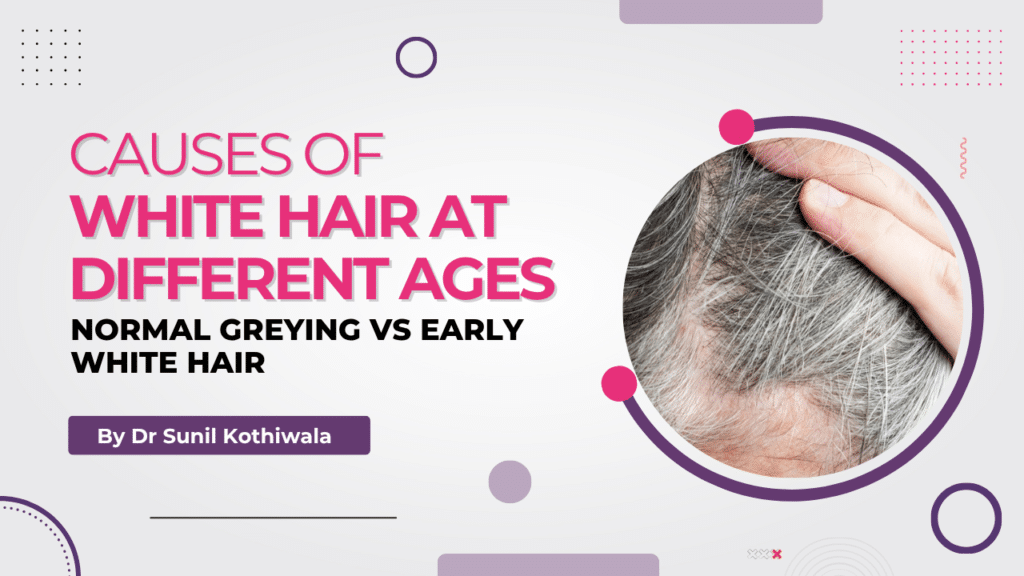
White hair is commonly associated with aging, but many people today notice grey or white hair much earlier—even during childhood, teenage years, or young adulthood. The age at which white hair appears can vary depending on genetics, gender, lifestyle, nutrition, and underlying medical conditions.
Understanding when white hair is considered normal and when it may signal a health issue is important. In some people, greying starts naturally with age, while in others, vitamin deficiencies, hormonal problems, diseases, smoking, or stress may trigger premature white hair much earlier than expected.
This guide explains the normal age of white hair in men, women, and children, along with the major diseases, deficiencies, and lifestyle factors that can cause early greying.
Normal Age for White Hair: When Does Hair Usually Turn White?
Hair naturally starts losing pigment as melanin production decreases with age. However, the timing differs from person to person.
Normal Age Categories for White Hair
Childhood (0–12 Years)
White hair is generally not normal in children. If a child develops white or grey hair, it may be linked to:
- Vitamin B12 deficiency
- Iron deficiency
- Thyroid disorders
- Genetic syndromes
- Autoimmune diseases like vitiligo
- Poor nutrition
Teenage Years (13–19 Years)
A few white hairs may appear due to genetics, but significant greying is usually considered premature. Common causes include:
- Family history
- Nutritional deficiencies
- Stress
- Hormonal imbalance
- Junk food diet
Young Adults (20–30 Years)
In many people, especially with a family history, a small amount of white hair may begin in the late 20s. However, excessive greying in this age group may be due to:
- Smoking
- Vitamin B12 or D deficiency
- Iron deficiency
- PCOS or thyroid disorders in women
- Chronic stress
Adults (30–40 Years)
This is a common stage for natural premature greying, especially in genetically predisposed individuals. Lifestyle and environmental damage also contribute.
After 40 Years
For most people, white hair after 40 is considered a natural part of aging due to declining melanin.
White Hair in Women: Normal vs Problem-Based Causes
Women may experience white hair differently because hormonal fluctuations, pregnancy, menopause, and nutritional deficiencies often affect hair pigmentation.
Normally in Women:
- Late 20s to early 30s: A few strands may appear
- Mid-30s onward: Gradual greying becomes more common
Early White Hair in Women May Be Caused By:
Early white hair in women is becoming increasingly common, especially in the age group of late teens to early 30s. It is often linked to lifestyle, hormonal changes, and nutritional deficiencies. Below is a detailed explanation of the main causes:
1. Iron Deficiency Anemia
Iron deficiency anemia is one of the most common causes of early white hair in women. Women naturally have a higher risk due to menstruation, pregnancy, and sometimes an iron-poor diet.
When iron levels are low:
- The body cannot produce enough healthy red blood cells
- Oxygen supply to hair follicles reduces
- Hair roots become weak and undernourished
As a result, melanocytes (pigment-producing cells) do not function properly, leading to premature greying or early white hair in women. Many women also notice hair fall along with greying in this condition.
2. Vitamin B12 Deficiency
Vitamin B12 is essential for healthy nerve function and melanin production in hair follicles.
When B12 levels drop:
- Melanocyte activity decreases
- Hair loses its natural pigmentation
- Hair may turn grey or white earlier than expected
This deficiency is more commonly found in vegetarian or vegan women when their diet is not well balanced. It is one of the key causes of early greying in young women.
3. Thyroid Disorders
Thyroid imbalance, including hypothyroidism and hyperthyroidism, can greatly influence hair health.
In thyroid disorders:
- Hormone levels become irregular
- The normal hair growth cycle is disrupted
- Pigment production slows down
This leads to:
- Dry, brittle hair
- Hair thinning
- Premature greying or white hair
Many women discover thyroid issues only after noticing sudden changes in hair color and texture.
4. PCOS and Hormonal Imbalance
Polycystic Ovary Syndrome (PCOS) is a frequent hormonal disorder in women that impacts different aspects of health, including hair.
Due to hormonal imbalance in PCOS:
- Androgen levels may increase
- Estrogen balance is disturbed
- Hair follicles become sensitive and weak
This hormonal disruption can accelerate early white hair in women, along with symptoms like acne, hair fall, and irregular periods.
5. Pregnancy & Postpartum Nutritional Deficiency
During pregnancy and after childbirth, a woman’s body goes through major nutritional and hormonal changes.
Common issues include:
- Sudden depletion of essential nutrients (iron, folate, B12)
- Increased body demand for vitamins and minerals
- Hormonal shifts affecting hair cycle
Because of this, many women notice:
- Increased hair fall
- Dry and weak hair
- Early greying or white strands after delivery
This condition is usually temporary but can worsen if diet is not properly maintained.
6. Stress & Sleep Deprivation
Stress and lack of sleep are major modern lifestyle causes of early white hair in women.
When a woman is under constant stress:
- Cortisol levels become elevated in the body
- Oxidative stress damages hair follicle cells
- Melanin production reduces over time
Similarly, poor sleep:
- Weakens body repair mechanisms
- Affects hormonal balance
- Slows down hair regeneration process
Together, stress and sleep deprivation can significantly speed up premature greying in women, especially at a young age.
White Hair in Men: Normal vs Risk Factors
White hair in men is a natural part of aging, but the timing varies from person to person. While some men notice greying early due to genetics or lifestyle, others may experience it much later in life. Understanding the difference between normal greying and risk factors helps identify whether it is natural or caused by underlying issues.
Normally in Men
1. Late 20s to 30s: Early Signs May Appear (Genetic Influence)
In many men, the first few white or grey strands may start appearing in the late 20s to early 30s. This is often linked to genetics.
If parents or grandparents experienced early greying, it is more likely to be passed down. In such cases:
- A few grey hairs appear at temples or beard
- Progression is usually slow
- It is considered normal early greying in men
This type is mostly natural and not linked to disease.
2. 40+ Age: More Common and Natural
After the age of 40, white or grey hair becomes very common in men.
At this stage:
- Melanin production naturally decreases
- Hair pigment cells become less active
- Grey hair spreads gradually across the scalp
This is considered natural aging-related greying, and it is a normal biological process.
Early White Hair in Men Can Be Triggered By (Risk Factors)
1. Smoking
Smoking is one of the strongest external causes of early white hair in men.
It leads to:
- Raises oxidative stress levels in the body
- Damage to melanocytes (pigment-producing cells)
- Reduced blood circulation to hair roots
Over time, this speeds up premature greying of hair in young men, even in their early 20s.
2. Alcohol Use
Excess alcohol consumption can negatively affect hair health.
It contributes to:
- Nutrient deficiencies (especially B vitamins and zinc)
- Liver stress, which affects detoxification
- Increased oxidative damage in the body
These factors together can accelerate early white hair in men and also weaken hair texture.
3. Poor Diet
A low-quality diet is a major reason behind premature greying in men.
When diet lacks:
- Protein
- Iron
- Vitamin B12
- Zinc and other minerals
Then hair follicles do not receive proper nourishment. This results in:
- Weak hair roots
- Reduced melanin production
- Early appearance of grey or white hair
Fast food habits and irregular eating patterns increase this risk significantly.
4. Chronic Stress
Stress is a modern-day major cause of early white hair in men, especially among working professionals and students.
Long-term stress leads to:
- Increased cortisol levels
- Hormonal imbalance
- Reduced regeneration of hair pigment cells
- Poor sleep quality
Together, these effects speed up premature greying in young men.
5. Medical Conditions
Certain health issues can also trigger early white hair in men.
Common conditions include:
- Thyroid disorders (hypothyroidism or hyperthyroidism)
- Autoimmune diseases
- Anemia (especially iron or vitamin B12 deficiency)
These conditions affect the body’s ability to maintain healthy hair pigmentation, leading to early greying or sudden white hair patches.
White Hair in Children: When It May Signal a Health Concern
White hair in children is uncommon and often linked to underlying issues rather than aging.
Possible Causes:
Vitamin Deficiencies
- Vitamin B12
- Vitamin D
- Iron
- Copper
- Zinc
Genetic Conditions
- Piebaldism
- Waardenburg syndrome
Autoimmune Disorders
- Vitiligo
- Alopecia areata
Thyroid Disease
Hormonal imbalance can affect melanin production.
Severe Stress or Illness
Rare but possible in some cases.
Diseases That Can Cause Premature White Hair
Some medical conditions can directly or indirectly affect melanin production in the hair, leading to early or premature white hair. These diseases disturb the body’s normal functioning, especially nutrient absorption, hormone balance, or immune response.
1. Thyroid Disorders
Thyroid problems like hypothyroidism and hyperthyroidism can strongly affect hair health.
- Thyroid hormones control metabolism and overall body functions
- When imbalanced, hair growth cycle becomes weak
- Melanin production reduces in hair follicles
This can result in early white hair along with hair thinning and dryness.
2. Vitiligo
Vitiligo is an autoimmune disorder where the body attacks its own pigment-producing cells.
- Melanocytes (pigment cells) are destroyed
- White patches appear on skin and sometimes hair
- Hair in affected areas may turn white or grey
It is one of the most direct disease-related causes of loss of pigmentation.
3. Pernicious Anemia
This condition leads to severe Vitamin B12 deficiency in the body.
- Body cannot properly absorb Vitamin B12
- Red blood cell production is affected
- Melanocyte function becomes weak
As a result, premature greying or white hair at a young age may appear.
4. Alopecia Areata
Alopecia areata is an autoimmune condition that causes patchy hair loss.
- Hair falls out in small patches
- When hair regrows, it may come back white or grey
- The immune system attacks hair follicles
This can lead to sudden appearance of white hair in specific areas.
5. Diabetes
Diabetes can also contribute to early white hair.
- Raises oxidative stress levels in the body
- Damages hair follicle cells over time
- Affects blood circulation and nutrient supply
Poorly controlled diabetes may speed up premature greying of hair.
6. Chronic Nutritional Malabsorption
Some digestive or gut-related conditions reduce the body’s ability to absorb nutrients properly.
- Poor absorption of Vitamin B12, iron, and other minerals
- Weakens hair roots and pigment cells
- Causes nutrient deficiencies even when the diet is healthy
This indirectly causes early white hair and hair weakness.
Lifestyle Habits That Make Hair White Earlier (Short Explanation)
Smoking
Smoking releases harmful free radicals that damage hair pigment cells. Over time, it reduces melanin production and leads to premature greying.
Junk Food Diet
A junk food-rich diet lacks important nutrients such as vitamins, minerals, and proteins. This weakens hair roots and speeds up early white hair.
High Stress
Chronic stress can negatively affect melanocyte stem cells responsible for hair color. It accelerates melanin loss, causing early greying.
Poor Sleep
Inadequate sleep disturbs hormone balance and body repair functions. This indirectly weakens hair health and increases premature white hair risk.
Chemical Hair Treatments
Frequent use of dyes, bleach, and harsh chemicals weakens hair follicles. Over time, it can damage natural pigment and lead to greying.
Pollution & UV Damage
Exposure to pollution and strong UV rays increases oxidative stress in the scalp. This damages hair cells and contributes to early white hair.
Conclusion
White hair is a natural part of aging, but if it appears early in childhood, teenage years, or young adulthood, it may indicate underlying issues like poor nutrition, stress, hormonal imbalance, or medical conditions.
While greying after 30–40 years is normal, early white hair should not be ignored. In many cases, improving diet, reducing stress, and treating health problems can help slow it down.
Overall, white hair is not just about age—it is often a reflection of your internal health and lifestyle.
Leave a Comment