




Sunscreen for Dry Skin: Hydration Meets Protection
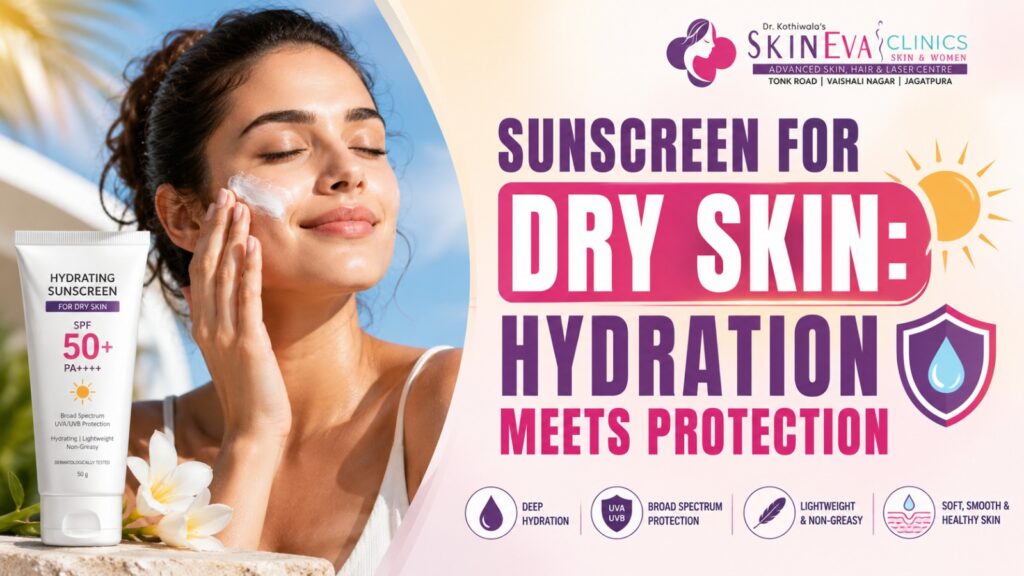
Dry skin presents a unique set of challenges because it has a naturally compromised moisture barrier. This means your skin constantly struggles to retain water and loses hydration rapidly. When standard or heavy mattifying sunscreens are applied to a parched complexion, they tend to cling to dry patches, cause flaking, and strip away whatever minimal natural oils your skin has left.
For these reasons, incorporating a dedicated formulation for this skin type into your daily sun protection routine is an absolute necessity. A rich, nourishing sunscreen does more than block harmful ultraviolet radiation; it physically locks in moisture, seals the skin barrier, and prevents trans-epidermal water loss (TEWL) throughout the day to maintain long-term skin health.
Key Ingredients Dry Skin Should Look For in Sunscreens
To function effectively as the best sunscreen for dry skin dermatologist recommended option, a sun protection product must contain specific hydrating, humectant, and emollient ingredients. These active components ensure the formula actively nourishes the skin rather than just sitting on top of it:
- Hyaluronic Acid: Acts as a moisture magnet, attracting and binding water molecules to keep the skin supple and prevent moisture evaporation under intense sunlight.
- Ceramides: Crucial for lipid replenishment, ceramides actively rebuild and reinforce the damaged cellular skin barrier, ensuring UV filters do not cause irritation.
- Glycerin: Glycerin replenishes moisture deep within the skin, improving hydration while reducing roughness and dryness.
- Squalane & Jojoba Oil: These emollients mimic natural sebum to soften rough tissue and ensure heavy physical UV filters spread smoothly without leaving a tight, restricted feeling.
- Vitamin E: An oil-soluble antioxidant that works synergistically with your SPF to neutralize free radicals and prevent sun damage, fine lines, and sun-induced dehydration.
Ingredients Avoid in Sunscreens for Dry Skin
Certain formulation components accelerate moisture depletion and cause adverse reactions on a compromised skin barrier. When evaluating labels, steer clear of these drying agents:
- Denatured / SD Alcohol: Often added to sunscreens to make them dry rapidly or feel weightless. On dry skin, these volatile alcohols evaporate quickly, taking the skin’s underlying moisture with them.
- Heavy Mattifying Agents (Clay, Charcoal, Silica): These ingredients are structurally designed to absorb excess oil and sebum. On dry skin, they strip away the minimal protective lipids left on the surface, causing severe tightness.
- High Concentrations of Synthetic Fragrance: Because dry skin has microscopic cracks in its outer barrier, artificial perfumes penetrate deeper, frequently triggering contact dermatitis, redness, and burning sensations.
Best Sunscreen for Dry Skin Dermatologist Recommended
While you should always choose what fits your specific skin needs, professional guidance often highlights pharmacy-grade and clinically tested brands. The following options are frequently selected by experts for their deeply hydrating, barrier-protecting, and non-drying properties:
| Brand / Product | Key Highlight for Dry Skin |
| Cetaphil Sunscreen | Highly hydrating, fragrance-free, and non-irritating with a creamy texture perfect for dry, sensitive skin. |
| Bioderma SPF Sunscreen | Features a rich, thick texture that deeply hydrates while offering robust, clinical-grade UVA/UVB defense. |
| Suncros Soft Cream SPF 50 | A classic pharmacy-staple physical sunscreen enriched with emollients and Vitamin E to protect dry, reactive skin. |
| Minimalist Vitamin SPF 50 | Packed with skin-loving vitamins to actively repair the skin barrier while defending against UV rays. |
| Minimalist Vitamin SPF 50 | Packed with skin-loving vitamins to repair the barrier while defending against UV rays. |
| Neutrogena Sunscreen | Leaves the skin feeling noticeably softer and smoother without a heavy, greasy residue. |
The Correct Sunscreen Vehicle (Cream vs. Gel/Spray)
The vehicle—or the physical form of the product—directly impacts how dry skin responds to sun protection.
- Why Gels, Fluids, and Sprays Fail: Gel and fluid formulations are engineered primarily for oily or acne-prone skin. They utilize water-light bases mixed with alcohol or silica to leave a zero-shine finish, which inevitably exacerbates flakiness on dry skin types.
- Why Cream Formulations Win: A rich, heavy cream or lotion base acts as a secondary moisturizer. It fills in the microscopic gaps between flaky skin cells, creates a uniform protective shield against UV rays, and leaves a healthy, radiant, and dewy finish.
Understanding SPF Levels for Dry Skin
The Sun Protection Factor (SPF) dictates how effectively a product shields your skin from UVB rays, which cause sunburn and surface damage. Choosing the right protection level depends entirely on your daily environment:
- SPF 30: For Low-Exposure and Indoor Environments: If your daily life mostly involves staying indoors, working in an office away from windows, or experiencing minimal indirect sunlight, a dedicated SPF 30 provides ample protection. These formulations are typically lighter and highly breathable.
- SPF 50: For Direct Sun, Outdoor Activity, and Summer: For commuting, outdoor tasks, traveling, or high-UV summer months, an SPF 50 or higher paired with a strong PA++++ rating is required. Higher SPF factors provide a stronger defense against intense radiation, actively preventing photoaging, dark spots, and cellular degradation.
How to Apply Sunscreen on Dry Skin for Best Results
No matter how good a product is, incorrect application can reduce its effectiveness. Follow these simple steps to maximize your protection and keep dryness at bay:
- Prep with Moisture (The Prerequisite): Always apply a lightweight, deeply hydrating moisturizer first to damp skin to create a smooth, supple base layer. Let it sink in for 2 to 3 minutes before going in with your SPF.
- Apply Generously (The 2-Finger Rule): Squeeze out two full finger-lengths of your chosen product. Apply it evenly across your entire face, neck, and ears as the absolute final step in your morning skincare routine.
- Massage Gently (Avoid Flaking): Work the cream into your skin using gentle, upward circular motions. Avoid aggressive rubbing, which can disrupt dry patches and cause your skincare to “pill” or flake off.
- Reapply盖 Consistently: Sunscreen filters break down over time. Reapply your sun protection every two hours if you are spending time outdoors, sweating, or swimming to ensure continuous shielding.
Pro-Tip: If your skin starts feeling tight or dry halfway through the day, skip the setting powder. Opt for a hydrating sunscreen stick or a moisturizing SPF mist to reapply your protection without disturbing your skin barrier.
Conclusion
Finding the perfect sunscreen for dry skin is all about balancing robust UV defense with deep nourishment. By prioritizing rich, cream-based vehicles packed with barrier-loving ingredients like ceramides, hyaluronic acid, and squalane—while actively avoiding harsh alcohols and heavy mattifying agents—you can easily shield your skin from sun damage without sacrificing your glow. Treat your daily SPF as the essential, locking step of your hydration routine, and your skin will remain plump, comfortable, and fully protected all day long.
Leave a Comment