


What is the Age of Onset of Pimples? Pimples in teenage
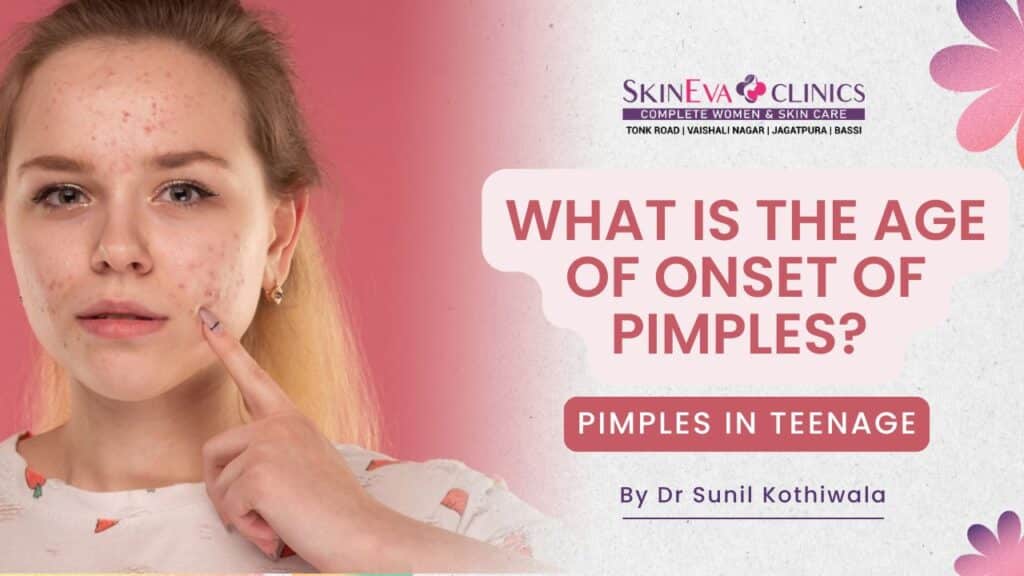
If you’re a teenager struggling with pimples, you’re definitely not alone! Acne is one of the most common skin conditions affecting teenagers around the world. But have you ever wondered why it happens and at what age it typically starts?
Acne can be frustrating, embarrassing, and sometimes even painful. It can affect your confidence and how you feel about yourself. However, the good news is that understanding what causes acne and knowing how to manage it can make a huge difference. In this comprehensive blog, we’ll explore everything you need to know about pimples during your teenage years—from why they appear to how to prevent them and when to seek professional help.
When Do Pimples Typically Start?
The Most Common Age
Pimples usually appear during the teenage years between 12 to 25 years of age. This is the time when your body goes through major changes during puberty. Acne affects approximately 80-85% of teenagers at some point, making it a very common experience.
Think about it this way: if you’re in a classroom of 30 students, chances are that 24-25 of them have experienced or will experience acne at some point. You’re definitely not alone in this struggle, and it’s a completely normal part of growing up.
Age Breakdown by Gender
Girls: Pimples often start between 11-13 years of age
- Girls typically enter puberty earlier than boys, which is why they experience acne sooner
- Some girls may notice their first breakouts as early as 10-11 years
- Acne in girls is often influenced by menstrual cycles, with breakouts becoming worse around certain times of the month
Boys: Pimples typically begin between 14-15 years of age
- Boys usually enter puberty 2-3 years after girls, which explains the later onset of acne
- Boys’ acne tends to be more severe on average, affecting larger areas of the face, chest, and back
- Boy’s acne often peaks around ages 16-19 and can extend into the early 20s
Boys usually experience acne slightly later than girls because they enter puberty later. However, when they do develop acne, it may be more widespread and sometimes more intense.
Why Do Pimples Appear During Teenage Years?
- Increased Hormones
During puberty, the body produces more hormones called androgens. These hormones cause many teenage changes and also affect the skin. - Extra Oil Production
Androgens stimulate the sebaceous (oil) glands to produce more sebum. Too much oil makes the skin greasy and increases the chance of acne. - Clogged Pores
Excess oil mixes with dead skin cells and blocks the pores, trapping dirt and oil inside. - Bacterial Growth
Bacteria called C. acnes grow quickly inside clogged pores because they thrive in oily, low-oxygen conditions. - Inflammation and Pimples
The body’s immune system reacts to the bacteria, causing redness, swelling, pus, and pain, which form pimples.
Other Contributing Factors to Acne
While hormonal changes during puberty are the main culprit (responsible for about 85% of teenage acne), several other factors can make acne worse or trigger breakouts:
Stress
- When you’re stressed, your body produces more cortisol (a stress hormone)
- Cortisol can trigger increased sebum production and worsen inflammation
- Stress can also weaken your immune system, making it harder to fight acne-causing bacteria
- Many teenagers notice their acne gets worse during exam season or times of emotional stress
Diet
- High-glycemic foods (like white bread, sugary snacks, and processed foods) may worsen acne
- Some studies suggest dairy products might trigger acne in certain people
- Foods high in omega-6 fatty acids without enough omega-3 can increase inflammation
- While diet alone doesn’t cause acne, it can definitely make it worse
Oily Skin Type
- Some people naturally have oilier skin due to genetics or skin type
- These individuals tend to have more severe acne and longer duration of breakouts
- However, oily skin also has benefits—it tends to age more slowly and look younger
Genetics (Family History)
- If your parents had acne, you’re significantly more likely to have it too
- Genetics determine your sebum production levels, skin type, and immune response to bacteria
- If both parents had severe acne, you’re at higher risk for severe acne as well
Poor Skin Care Habits
- Not washing your face regularly allows bacteria, oil, and dead skin cells to accumulate
- Over-washing can strip your skin of natural oils, causing it to produce even more oil to compensate
- Using pore-clogging cosmetics or not removing makeup before bed can trap bacteria
- Touching your face frequently spreads bacteria and irritates the skin
Important Tips to Prevent and Manage Teenage Acne
Do’s:
- Wash your face gently twice a day
Use a mild cleanser and lukewarm water to remove oil and dirt without irritating the skin. - Use non-comedogenic products
Choose skincare and makeup products labeled “non-comedogenic” so they do not clog pores. - Apply acne treatments properly
Use medicines like benzoyl peroxide or salicylic acid as directed and be patient for results. - Keep your hands away from your face
Touching your face transfers dirt and bacteria, which can worsen acne. - Eat a healthy balanced diet
Fruits, vegetables, and healthy foods may help reduce inflammation and support healthy skin. - Drink plenty of water
Drink enough water to stay hydrated, as it supports healthy skin and helps control excess oil. - Get enough sleep
Proper sleep helps the body repair skin and reduces stress-related acne. - Change pillowcases regularly
Clean pillowcases reduce the buildup of oil, bacteria, and dirt on the skin. - Manage stress
Stress can trigger acne, so activities like exercise, meditation, or relaxation can help.
Don’ts:
- Do not squeeze or pop pimples
Popping pimples can spread bacteria, increase inflammation, and cause scars. - Do not over-wash your face
Too much washing removes natural oils and may make acne worse. - Avoid touching your face frequently
Hands carry bacteria and oil that can clog pores. - Do not use dirty makeup brushes or pillowcases
Dirty items can transfer bacteria to the skin and trigger breakouts. - Avoid too much sun exposure
Excess sunlight can irritate the skin and darken acne marks. - Do not use heavy or oily products
Thick creams and oil-based products can clog pores and worsen acne. - Avoid harsh scrubbing or picking
Rough exfoliation and scratching can damage the skin and lead to scarring.
Conclusion
Pimples during the teenage years are a very common and natural part of growing up. They usually appear because of hormonal changes during puberty, which increase oil production and clog pores. Factors like stress, diet, oily skin, genetics, and poor skincare habits can also make acne worse. Although pimples can affect confidence and feel frustrating, they can be managed with proper skincare, healthy habits, and the right treatment. The most important thing is to be patient, avoid picking pimples, and take care of your skin consistently. If acne becomes severe or painful, consulting a dermatologist can help prevent scars and improve skin health.
Leave a Comment