




Skin Tag Causes: Why Do Skin Tags Form & What Triggers Them?
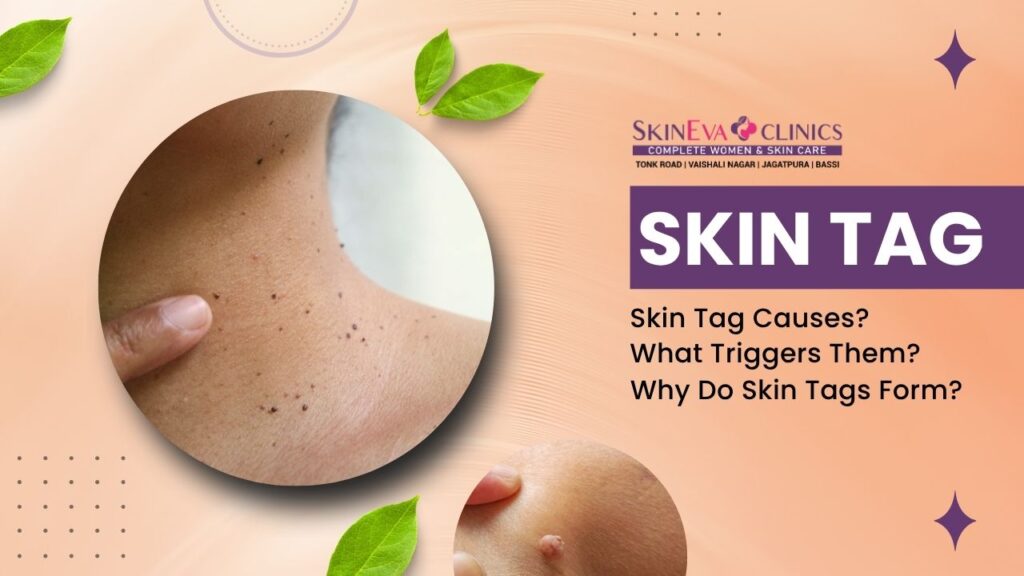
Skin tags, medically known as Acrochordons, are small, soft, non-cancerous growths that commonly appear on the skin. They may look harmless—and they usually are—but many people are often confused about why they develop in the first place.
These growths are extremely common, affecting nearly 1 in 2 adults, especially as age increases. They are most frequently seen in areas where the skin folds or rubs against itself, such as the neck, underarms, eyelids, groin, and under the breasts.
While skin tags are not dangerous, understanding their causes is important—not just for cosmetic reasons, but also because they can sometimes be linked to underlying health conditions.
What Causes Skin Tags?
The exact reason behind skin tag formation is not completely understood, but dermatologists believe they develop due to overgrowth of skin cells in specific areas. This overgrowth is usually triggered by repeated rubbing, hormonal influences, or metabolic imbalances.
In simple terms, when the skin is constantly exposed to irritation or internal growth signals, small clusters of collagen and blood vessels get trapped inside thicker layers of skin—leading to the formation of a skin tag.
Causes of Skin Tags
1. Friction (Skin-to-Skin Rubbing) – The Primary Trigger
Friction is considered the most important and common cause of skin tags. When two areas of skin repeatedly rub against each other—or when skin rubs against tight clothing, chains, or accessories—it creates continuous irritation.
Over time, this repeated friction stimulates localized skin growth, resulting in soft, hanging growths. This explains why skin tags commonly appear in areas like:
- Neck folds (due to collars or jewelry)
- Underarms (constant movement and sweating)
- Groin (tight clothing and skin folds)
- Under breasts (skin friction)
People with active lifestyles, tight clothing habits, or more skin folds are more prone to this cause.
2. Aging – Increased Susceptibility with Time
Skin tags are rarely seen in children and become more common with increasing age. After the age of 40–50, several changes occur in the skin:
- Reduced collagen balance
- Loss of elasticity
- Increased looseness and folding of skin
These changes make the skin more vulnerable to friction and abnormal cell growth. Additionally, the body’s natural ability to regulate skin cell turnover decreases, which can contribute to the formation of skin tags over time.
3. Obesity & Weight Gain – More Folds, More Friction
Obesity is one of the strongest risk factors for skin tags. When a person gains excess weight:
- Skin folds increase significantly
- Friction between folds becomes more frequent
- Sweat and moisture accumulation increase irritation
This environment becomes ideal for skin tag formation. Moreover, obesity is often associated with metabolic changes that further stimulate abnormal skin growth.
4. Insulin Resistance & Type 2 Diabetes
A strong medical connection exists between skin tags and Type 2 Diabetes.
When the body develops insulin resistance:
- Cells do not respond properly to insulin
- Blood insulin levels rise
- Growth factors in the body become more active
These growth factors stimulate skin cell multiplication, especially in areas prone to friction. As a result, multiple skin tags may appear, especially on the neck and underarms.
5. Hormonal Changes (Pregnancy & Hormonal Imbalance)
Hormones play a major role in regulating skin growth. During certain conditions—especially pregnancy—hormonal levels fluctuate significantly.
This can lead to:
- Increased skin cell growth
- Higher sensitivity to friction
- Development of new skin tags
Pregnant women commonly notice skin tags forming around the neck, underarms, or chest area. Similarly, hormonal disorders like Polycystic Ovary Syndrome can also contribute to their development due to androgen imbalance and insulin resistance.
6. Genetics – Family History Matters
Genetics can increase the likelihood of skin tags if they run in your family.
This happens because inherited traits may affect:
- Skin structure and thickness
- Sensitivity to friction
- Cell growth behavior
Even in the absence of strong external triggers, genetic predisposition alone can lead to skin tag formation.
7. Metabolic Syndrome & Lipid Imbalance
Skin tags are often associated with broader metabolic issues, including:
- High cholesterol levels
- Obesity
- Insulin resistance
- High blood pressure
These conditions together form what is known as metabolic syndrome. The imbalance in the body’s metabolism can increase growth signals in the skin, leading to multiple skin tags.
8. Hormonal & Endocrine Disorders
Certain hormonal and endocrine conditions can also increase the risk of skin tags. These include:
- Thyroid disorders
- Acromegaly (excess growth hormone)
- Hormonal imbalances
Such conditions disrupt normal body processes and can lead to excessive or irregular skin growth.
9. Associated Medical Conditions
In some cases, skin tags may be linked with specific health conditions, such as:
- Crohn’s disease (especially peri-anal skin tags)
- Chronic inflammatory conditions
- Rare genetic disorders
Although these cases are less common, they highlight that skin tags can sometimes indicate underlying systemic issues.
Conclusion
Skin tags are a very common and harmless skin condition but often misunderstood skin growths that develop due to a mix of external irritation and internal body changes. While friction and aging are the most common causes, factors like insulin resistance, hormonal imbalance, and genetics play an equally important role.
If you notice multiple or rapidly increasing skin tags, it’s important not to ignore them. They may indicate underlying issues like hormonal imbalance or metabolic problems.
Consulting a dermatologist can help not only remove skin tags safely but also identify and manage the root cause—ensuring both healthy skin and overall well-being.
Leave a Comment