




Best Sunscreen for Oily Skin: The Ultimate Dermatologist Guide
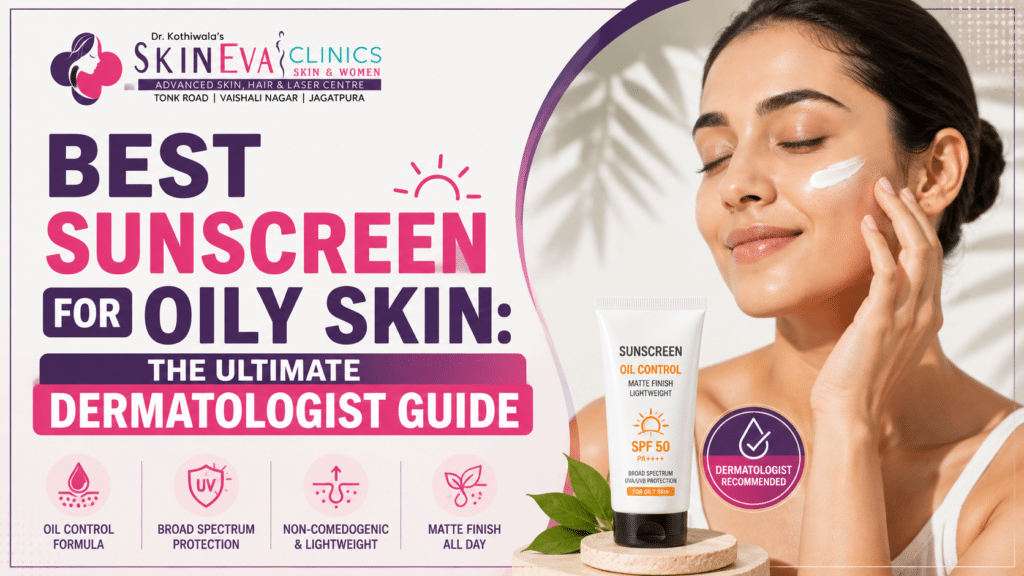
Finding the right sunscreen when you have oily skin can feel like an uphill battle. Many traditional sunscreens leave behind a heavy, sticky, or greasy layer that causes your face to look like a shiny mirror by midday. Because of this, many people skip this step entirely.
Skipping sun protection is a major mistake. Oily skin can easily become dehydrated, prompting your sebaceous glands to produce even more surface oil. Dehydration paired with UV exposure accelerates skin damage, increases melanin production (leading to dark spots and tanning), breaks down collagen (causing premature fine lines), and creates an uneven skin tone.
Choosing a dermatologist-recommended sunscreen tailored for oily skin allows you to protect your face from UV damage while controlling excess shine all day long.
What Makes a Sunscreen Suitable for Oily Skin?
When shopping for the best sunscreen for oily skin, looking for specific formulations that won’t weigh down your complexion is essential. Dermatologists recommend keeping these key criteria in mind:
- Lightweight & Oil-Free: Avoid heavy creams. Choose water-based or gel-based formulas that absorb quickly without leaving a greasy residue.
- Mattifying Finish: Look for sunscreens that control shine and help keep your skin balanced, velvety, and fresh, even in humid weather.
- Broad-Spectrum Protection: Your sunscreen must shield your skin from both UVA rays (which cause aging and pigmentation) and UVB rays (which cause burning). Look for a minimum of SPF 30 along with a PA+++ or PA++++ rating.
- No White Cast: Modern formulations blend seamlessly into the skin without leaving a chalky, heavy white layer behind that can feel suffocating on oily skin.
Types of Sunscreen for Oily Skin: A Breakdown
Sunscreens come in various textures and types. The table below breaks down the most effective options for oily skin types, as recommended by dermatologists.
| Type of Sunscreen (No Brand Names) | Texture & Feel | Why Dermatologists Recommend It for Oily Skin |
| Gel Sunscreen (Matte Finish) | Lightweight, non-sticky | Controls oil, absorbs quickly, and keeps the face shine-free. |
| Water-Based Fluid Sunscreen | Ultra-light, watery texture | Zero greasiness, spreads easily, suitable for humid weather. |
| Silicone-Based Gel-Cream SPF | Smooth, velvety finish | Minimizes surface shine, blurs pores, ideal for daily wear under makeup. |
| Mineral Sunscreen (Zinc + Titanium) | Slightly matte, gentle | Physical blockers that provide a natural matte look and prevent greasiness. |
| Hybrid Sunscreen | Balanced texture | Combines mineral and chemical filters; no white cast, lightweight, great protection. |
| Oil-Control Matte Sunscreen | Powder-matte finish | Specifically controls shine for 6–8 hours; ideal for very oily skin. |
| Sweat-Resistant Sunscreen | Lightweight but long-wearing | Perfect for outdoor activities, sports, and naturally sweaty, oily skin. |
| Tinted Sunscreen | Matte tint, no greasiness | Covers uneven skin tone while protecting the skin; excellent for pigmentation. |
Key Ingredients to Look For (And Ones to Avoid)
Reading the ingredient list is the most reliable way to know if a product will keep your face matte and fresh.
Active Ingredients to Seek Out:
- Zinc Oxide & Titanium Dioxide: These physical UV blockers provide a natural matte look and help keep the skin surface oil-free.
- Niacinamide (Vitamin B3): Helps regulate excess sebum (oil) secretion and visibly minimizes the appearance of large pores.
- Silica / Mattifying Powders: Actively absorb excess surface oil to keep the skin shine-free throughout the day.
- Green Tea Extract: Helps soothe the skin from heat and environmental stressors while keeping it fresh.
- Hyaluronic Acid: A lightweight hydrator that delivers vital moisture to the skin without adding heavy, oily weight.
Ingredients to Avoid:
- Heavy Silicones: While some silicones provide a nice matte blur, very high concentrations of heavy dimethicone can trap oil and sebum on the skin.
- High Concentrations of Alcohol Denat.: Often used to make sunscreens feel “dry” instantly, but it can strip the skin surface, triggering a rebound production of even more oil.
- Heavy Oils and Butter Base: Avoid sunscreens containing coconut oil, shea butter, or mineral oils, as these are designed for dry skin and will make oily skin look incredibly greasy.
How to Apply Sunscreen on Oily Skin (The Correct Method)
How you apply your sunscreen matters just as much as the formula you choose. Most people under-apply their sunscreen by nearly 50%, which cuts the effective SPF protection in half.
Follow this dermatologist-backed step-by-step routine for your morning (AM) application:
- Cleanse: Wash your face with a gentle, oil-free cleanser to remove overnight sebum buildup without stripping the skin.
- Tone and Treat: Apply a lightweight toner or targeted serum (like Niacinamide) and let it fully absorb into the skin for a few moments.
- Moisturize Lightly: Apply an oil-free, water-based gel moisturizer while your skin is damp. Wait 2–3 minutes before applying sunscreen to prevent it from rolling or pilling.
- Apply the Sunscreen: Measure out a coin-sized amount (roughly the length of two fingers) for your face and neck. Do not rub harshly. Instead, gently pat and press the product into the skin for a smooth finish.
Pro-Tips for Maximizing Results:
- Apply Early: Put your sunscreen on at least 15 minutes before heading outdoors so it can form a protective, matte barrier on your skin.
- Don’t Forget Hidden Spots: Remember to cover your ears, the back of your neck, and use an SPF lip balm for your lips.
- The 5-Minute Blotting Trick: For extremely oily skin, apply your thin layer of matte sunscreen, wait 5 minutes, gently blot your face with a clean tissue, and then apply a light, translucent setting powder. This locks in a fresh, shine-free look for hours.
- Reapply Regularly: No sunscreen lasts all day. Reapply every 2 hours if you are outdoors, sweating, or swimming.
Additional Skincare Tips for Managing Oily Skin
Achieving a clear, balanced complexion requires a holistic approach to your daily skincare routine. Incorporate these habits alongside your daily sunscreen use:
- Cleanse Twice Daily: Stick to washing your face once in the morning and once at night. Avoid harsh physical scrubs, which can irritate the skin and trigger a protective spike in oil production.
- Never Skip Moisturizer: Oily skin still requires hydration. Skipping moisturizer causes your skin to produce excess oil to compensate for moisture loss. Stick to light, oil-free gel formulas.
- Seek Shade: During peak sun hours (10:00 AM to 4:00 PM), minimize direct exposure by seeking shade and wearing protective clothing like wide-brimmed hats and sunglasses.
Conclusion
Many people skip sunscreen because they worry it will make their face feel sticky and greasy. However, skipping sun protection actually backfires. When you don’t use sunscreen, your skin gets dehydrated, which forces your face to produce even more oil to compensate.
Finding the right sunscreen for oily skin is simple once you know what to look for. Instead of heavy creams, always choose lightweight gel-based, water-based, or matte-finish formulas. Look for oil-absorbing ingredients like niacinamide and silica to keep shine away. By choosing the right product and applying it correctly, you can keep your skin fully protected from the sun while enjoying a fresh, shine-free face all day long.
Leave a Comment