




Dark Neck – Reasons & How to Get Rid of It
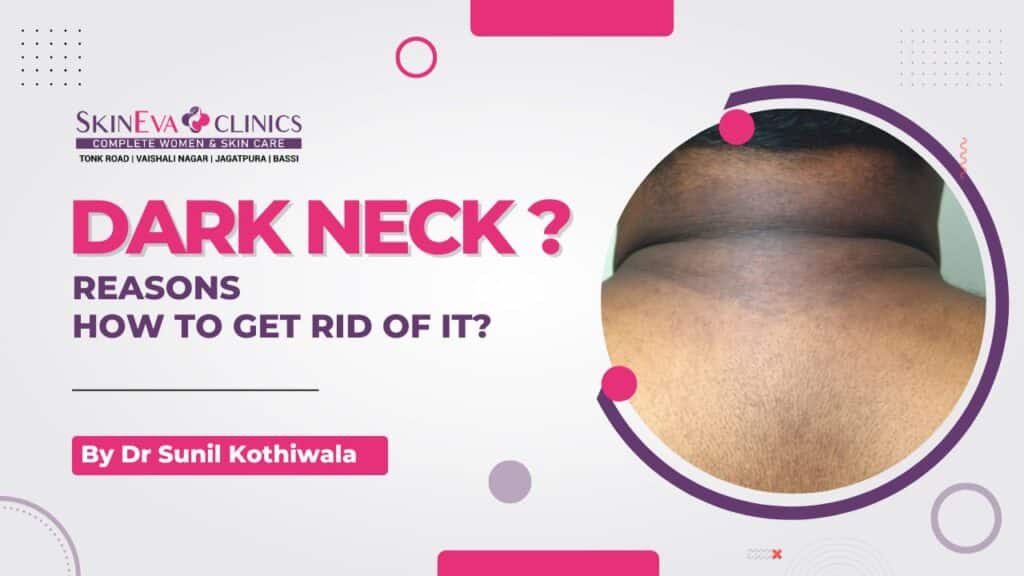
A dark neck is a very common skin concern, but it is often ignored or misunderstood. Many people assume that it is just due to dirt, tanning, or lack of proper cleaning. However, that’s not always true. In many cases, a dark neck can actually indicate underlying skin conditions or even internal health issues.
There are multiple reasons behind neck pigmentation. It may occur due to too much sun exposure, accumulation of dead skin cells, friction from tight clothes or accessories, or improper skincare practices. At the same time, certain medical conditions like Acanthosis Nigricans can also lead to darkening of the neck.
The positive aspect is that this issue can be treated. With the right skincare routine, lifestyle changes, and proper medical guidance from a dermatologist, you can effectively reduce and even eliminate neck pigmentation over time.
What Does Having a Dark Neck Mean?
A dark neck refers to a condition where the skin around your neck becomes visibly different from your natural skin tone. This change is not just about color—it can also affect the texture and overall appearance of the skin.
It may present in the following ways:
- Darker than your natural skin tone
The neck appears noticeably darker compared to surrounding areas like the face and chest, even after proper cleansing. - Thick, velvety, or slightly rough texture
In some cases, the skin becomes thicker and feels soft yet raised. This is commonly associated with Acanthosis Nigricans. - Uneven or patchy appearance
Pigmentation may not be uniform and can appear as irregular patches or bands around the neck.
In many individuals, a dark neck is linked to Acanthosis Nigricans, which is often associated with high insulin levels in the body. This leads to faster skin cell growth and results in dark, thickened skin.
Reasons of Dark Neck
A dark neck can develop due to a combination of external factors like skincare habits and internal health conditions. Identifying the exact cause is essential for selecting the correct treatment.
Unhygienic Cleansing Routine
When the neck area is not cleaned properly, dirt, sweat, oil, and dead skin cells gradually build up on the surface. Over time, this accumulation forms a stubborn layer that makes the skin look dull and darker than usual. In some cases, this can lead to a condition called Dermatitis Neglecta, where poor hygiene results in visible dark patches that may look like pigmentation but can improve with proper cleaning.
Sun Exposure
Continuous sun exposure without protection boosts melanin production in the skin. Since the neck is often left uncovered and people tend to skip sunscreen in this area, it becomes more prone to tanning. Over time, repeated sun damage can lead to persistent and uneven darkening of the neck.
Friction
Continuous rubbing of the neck due to tight collars, chains, scarves, or rough fabrics can irritate the skin. As a natural defense mechanism, the skin thickens and gradually becomes darker. This type of pigmentation is commonly seen in people who frequently wear tight clothing or accessories around the neck.
Harsh Product Usage
Using strong soaps, alcohol-based perfumes, deodorants, or chemical-heavy skincare products can damage the skin’s natural barrier. This leads to irritation and inflammation, which may trigger pigmentation over time. As a result, the skin on the neck can become uneven, sensitive, and darker.
Insulin Resistance & Obesity
One of the most important medical causes of a dark neck is insulin resistance. When insulin levels remain high in the body, it stimulates rapid growth of skin cells, leading to thick, dark, and velvety patches. This condition is strongly linked to Type 2 Diabetes and is a key feature of Acanthosis Nigricans. It is often seen in individuals who are overweight or have metabolic issues.
Hormonal Disturbances
Hormonal imbalances can also play a major role in skin pigmentation. Conditions like Polycystic Ovary Syndrome (PCOS) or thyroid disorders can disrupt melanin production in the body. This may result in darkening of areas like the neck, underarms, and face. In some cases, a dark neck can be an early sign of an underlying hormonal issue.
Heredity (Genetic Factors)
In certain individuals, neck pigmentation can be influenced by genetics. If family members have similar skin concerns, there is a higher chance of developing hyperpigmentation even without strong external triggers. Genetic predisposition can make the skin more sensitive to factors like sun exposure or friction.
Medical Conditions Responsible for Dark Neck
In some cases, a dark neck is not just a cosmetic issue but may require proper medical evaluation and treatment:
- Acanthosis Nigricans
A condition marked by thick, dark, velvety skin, commonly associated with insulin resistance and metabolic disorders. - Dermatitis Neglecta
Occurs due to inadequate cleansing, leading to buildup of dirt, sweat, and dead skin cells. - Dyskeratosis Congenita
A rare inherited condition that affects skin pigmentation along with other body systems. - Erythema Dyschromicum Perstans
Causes grayish or brownish discoloration, often seen on the neck and upper body. - High Blood Insulin Levels
Elevated insulin levels can lead to thickened, discolored skin, especially in metabolic conditions. - Lichen Planus Pigmentosus
Leads to gray-brown pigmentation, commonly affecting sun-exposed and folded areas like the neck. - Tinea Versicolor
A fungal infection that causes lighter or darker patches on the skin, including the neck.
How to Get Rid of Dark Neck
Treating a dark neck requires a combination of the right skincare routine, healthy lifestyle changes, and—if needed—dermatologist-guided treatments. The approach depends on the cause, but consistent care can significantly improve both color and texture over time.
-
Skincare & Daily Routine
Gentle Exfoliation
Using chemical exfoliants like AHAs and BHAs—such as glycolic acid, lactic acid, or salicylic acid—2–3 times a week helps remove dead skin buildup. This process gradually clears dull layers, improves skin texture, and allows fresh, brighter skin to come forward. Over time, it can visibly reduce pigmentation on the neck.
Brightening Ingredients
Incorporating active ingredients like niacinamide, vitamin C, kojic acid, and azelaic acid into your routine can make a noticeable difference. These ingredients help control excess melanin, lighten dark patches, and enhance overall skin tone with regular use.
Moisturization
Hydrated skin heals better. Regular use of a good moisturizer—especially those containing ceramides—helps repair the skin barrier, reduce dryness, and improve the overall appearance of the neck. Well-moisturized skin also responds better to other treatments.
Sun Protection
Daily use of sunscreen with SPF 30 or more on the neck is important, as sun exposure is a key cause of pigmentation and reduces treatment effectiveness. Daily sunscreen use prevents further darkening and helps maintain results.
-
Top Dermatologist-Recommended Treatments
If home remedies are insufficient, professional treatments can provide quicker and better outcomes. However, treating the root cause—such as hormonal imbalance or Type 2 Diabetes—is equally important.
Topical Therapies
- Retinoids (Retinol creams/gels)
These increase skin cell turnover, helping to reduce thickness and gradually fade pigmentation. - Keratolytic agents (Salicylic acid, urea, ammonium lactate)
These gently exfoliate the skin, remove buildup, and soften thickened areas. - Depigmenting agents (Kojic acid, hydroquinone)
These target melanin production and help lighten dark patches over time. - Antibacterial treatments
Useful in cases where there is bacterial buildup, odor, or poor hygiene-related issues.
Chemical Peels
Dermatologists use controlled chemical solutions like AHAs and BHAs to exfoliate deeper layers of the skin. This process removes pigmented skin cells and supports the growth of healthier, even-toned skin.
Laser Therapy
Laser treatments specifically target excess melanin in the skin. They reduce pigmentation and stimulate collagen production, improving skin tone and texture with long-lasting benefits when done regularly.
Microdermabrasion
A non-invasive treatment that exfoliates the top skin layer using a special device, removing dead and pigmented cells to reveal smoother and brighter skin.
Microneedling with Serums
Tiny channels are created in the skin to allow better serum absorption while increasing collagen and reducing pigmentation gradually.
Conclusion
Dark neck is a common problem but should not be ignored. While it may sometimes be caused by simple factors like sun exposure, friction, or improper skincare, it can also be linked to underlying conditions such as Acanthosis Nigricans, hormonal imbalance, or Type 2 Diabetes.
The key to treating neck pigmentation lies in identifying the exact cause. A consistent routine including exfoliation, hydration, and sun protection can improve mild pigmentation significantly. At the same time, adopting a healthy lifestyle and managing internal health conditions plays a crucial role in long-term results.
Don’t ignore the signs your skin is giving you. If your dark neck persists despite home care, it’s best to consult a dermatologist for proper diagnosis and personalized treatment—so you can achieve clearer, healthier, and more even-toned skin with confidence.
Leave a Comment