

Causes and Reasons of Hair Thinning: Hair Loss in Men and Women
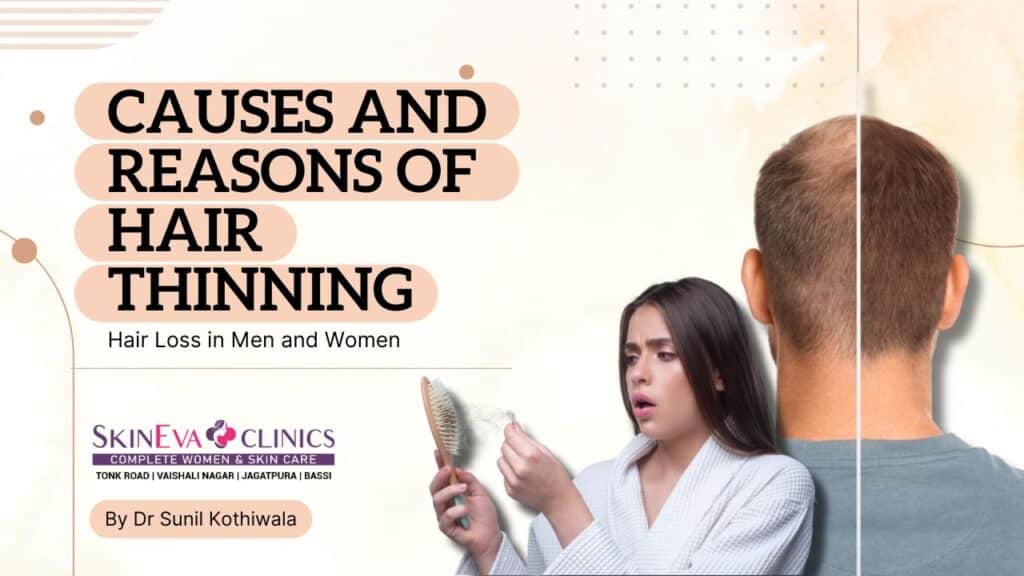
Hair thinning has become one of the most widespread concerns among both males and females today. Whether it starts with excessive hair fall while combing or visible scalp patches, thinning hair can affect confidence and overall appearance. Identifying the true causes of hair thinning is the first step toward prevention and management. Many people confuse normal hair shedding with serious conditions like baldness, but identifying the root cause can help control the issue before it worsens.
What is Hair Thinning?
Hair thinning means a gradual decrease in hair volume and density. Unlike sudden hair fall, thinning occurs slowly over time and may affect the entire scalp or specific areas. It is different from complete baldness because hair follicles are still active, although weaker than before. In many cases, hair thinning and hair loss happen together due to poor lifestyle habits, genetics, hormonal imbalance, or medical conditions.
Both men and women experience this problem, but the pattern can vary. Men commonly notice receding hairlines and baldness at the crown, while women usually experience thinning throughout the scalp.
Common Causes of Thinning Hair
There are several causes of thinning hair, and understanding them helps in choosing the right treatment. Below are the most common causes responsible for this condition.
1. Genetic Factors and Male Pattern Baldness
Genetics is one of the major causes of thinning hair. Male pattern baldness (androgenetic alopecia) makes up around 95% of hair loss in men. This inherited condition is connected to sensitivity to DHT (dihydrotestosterone), a hormone produced from testosterone.
Why it happens:
- Inherited gene sensitivity to DHT
- Hair follicles shrink progressively
- Hair growth cycles shorten
- Results in thinner, shorter hair strands
Women also experience genetic hair thinning, though patterns differ. You are more likely to experience hair thinning if your parents or grandparents had it.
2. Hormonal Imbalances
Hormonal fluctuations are major reasons for hair thinning. Several hormonal conditions trigger hair thinning:
Thyroid Disorders: Hypothyroidism and hyperthyroidism both disturb hair growth cycles, resulting in hair thinning and increased shedding.
PCOS (Polycystic Ovary Syndrome): Elevated androgens cause hair thinning in women, particularly around the scalp crown.
Menopause: Lower estrogen levels during menopause contribute to hair thinning and loss of hair thickness.
Pregnancy: Post-partum hormonal shifts can trigger telogen effluvium, causing temporary balding and thinning hair.
3. Nutritional Deficiencies
Poor nutrition is among the overlooked causes of thinning hair. Hair requires specific nutrients for healthy growth:
Iron Deficiency: Low iron levels disrupt hair follicle function, causing hair thinning. This is particularly common in vegetarians and women with heavy menstrual cycles.
Protein Deficiency: Hair is primarily formed from keratin, a type of protein. Insufficient protein intake weakens hair structure, leading to thinning male hair and overall hair weakness.
Vitamin B12 Deficiency: B12 is essential for hair cell division and regeneration. Deficiency results in reasons for thinning hair and hair growth delay.
Zinc Deficiency: Zinc regulates hair growth and repair. Low zinc levels cause hair thinning and hair loss conditions.
Biotin and Vitamin D: These nutrients are crucial for follicle health and their absence contributes to thinning hair loss.
4. Stress and Telogen Effluvium
Psychological stress is a significant cause triggering hair thinning. High-stress levels push hair follicles into the telogen (resting) phase prematurely.
Stress-related mechanisms:
- Elevated cortisol disrupts hair growth cycles
- Pushes 30-40% of hair into shedding phase
- Results in noticeable balding and thinning hair
- Typically reversible once stress decreases
Physical trauma, surgery, illness, or emotional shock can trigger this condition, explaining sudden reasons for hair thinning without genetic predisposition.
5. Medical Conditions
Various diseases cause causes of thinning hair:
Alopecia Areata: Autoimmune condition attacking hair follicles, causing patches of hair thinning and hair loss.
Scalp Infections: Fungal or bacterial infections damage follicles, causing thinning hair loss and inflammation.
Lupus and Rheumatoid Arthritis: Autoimmune diseases trigger hair thinning and hair fall as secondary symptoms.
Diabetes: Poorly controlled blood sugar affects hair health and growth cycles.
6. Medications and Treatments
Certain medications are significant reasons for hair thinning:
- Chemotherapy: Causes rapid hair loss affecting all hair types
- Blood Pressure Medications: Beta-blockers and ACE inhibitors
- Antidepressants: Some SSRIs trigger hair thinning and hair loss
- Anticoagulants: Blood thinners increase shedding
- Retinoid Treatments: Acne medications cause temporary thinning hair loss
If medication-related, consult your doctor before stopping treatment.
7. Poor Hair Care Practices
Daily habits significantly impact causes of thinning hair:
Tight Hairstyles: Constant tension from braids, ponytails, or extensions causes traction alopecia, resulting in thinning male hair and hair loss at hairlines.
Heat Damage: Excessive blow-drying, flat ironing, and chemical treatments weaken hair structure, causing hair thinning.
Chemical Treatments: Frequent coloring, perms, and relaxers damage hair proteins, leading to balding and thinning hair appearance.
Poor Scalp Care: Neglecting scalp hygiene creates conditions favoring reasons for thinning hair.
8. Age-Related Hair Thinning
Natural aging is an inevitable cause of thinning hair. As we age:
- Hair growth slows significantly
- Hair follicles shrink (miniaturization)
- More follicles enter resting phase
- Reduced pigment production causes graying
- Hair thinning become more common
This age-related thinning affects both men and women, though patterns vary.
9. Lifestyle Factors
Smoking: Reduces blood flow to scalp, accelerating hair thinning and hair fall. Smokers experience earlier hair loss onset.
Excessive Alcohol: Depletes B vitamins and zinc, causing reasons for hair thinning and hair loss.
Poor Sleep: Sleep deprivation increases cortisol, disrupting hair growth cycles.
Lack of Exercise: Sedentary lifestyle reduces circulation, affecting thinning hair loss progression.
10. Environmental Factors
Pollution Exposure: Urban pollution damages hair cuticles, causing hair thinning and hair loss.
Hard Water: Mineral deposits build up, causing brittleness and balding and thinning hair appearance.
UV Exposure: Excessive sun exposure damages hair protein structure.
Hair Thinning in Men
Men are more likely to experience severe thinning because of hormonal sensitivity and genetics. Thinning hair in men usually starts during the twenties or thirties and slowly progresses. Male pattern baldness affects millions worldwide and is considered one of the primary reasons for hair thinning and hair loss in men.
Signs of male hair thinning include:
- Receding hairline
- Thinning hair around the crown
- Excessive hair fall during washing
- Visible scalp under bright light
- Weak and brittle hair texture
Early intervention can significantly reduce the progression of male pattern hair thinning.
Hair Thinning in Women
Women mostly experience overall thinning rather than completely bald patches. Hormonal changes during pregnancy, menopause, or thyroid disorders frequently cause hair thinning and hair loss in women.
Unlike men, women rarely become fully bald, but thinning can greatly reduce hair volume. Excessive hairstyling, nutritional deficiencies, and stress are major contributors to female hair thinning.
How to Prevent Hair Thinning
Avoiding hair thinning requires healthy habits and suitable hair care practices. Here are some useful tips:
Eat a Balanced Diet
Consume foods rich in protein, iron, vitamins, and omega-3 fatty acids. Healthy nutrition strengthens follicles and reduces thinning hair loss.
Reduce Heat and Chemicals
Avoid excessive use of hair dryers, straighteners, and chemical procedures. Natural hair care methods help maintain hair strength.
Manage Stress
Practice stress-relief techniques such as meditation, exercise, and deep breathing to reduce stress-related hair thinning and hair fall.
Use Mild Hair Products
Select sulfate-free shampoos and stay away from products containing harsh chemicals. Gentle products protect the scalp and prevent further damage.
Regular Scalp Care
Keep your scalp clean and moisturized. Oil massages can improve blood circulation and support healthy growth.
Conclusion
Hair thinning is a common issue that can affect both men and women due to various factors such as genetics, hormonal imbalance, stress, poor nutrition, medical conditions, and unhealthy hair care habits. Understanding the real causes of thinning hair is important for choosing the right prevention and treatment methods. Whether it is hair thinning and hair fall caused by lifestyle factors or thinning hair male pattern baldness linked to genetics, early attention can help slow down hair loss and improve overall hair health.
Maintaining a healthy diet, reducing stress, avoiding excessive heat and chemicals, and following proper scalp care routines can make a significant difference in controlling thinning hair loss. If hair thinning becomes severe or persistent, consulting a dermatologist is recommended to identify the exact reasons for hair thinning and hair loss and start suitable treatment at the right time.
Leave a Comment