



Why My Skin Gets Tanned Easily: Causes & Prevention
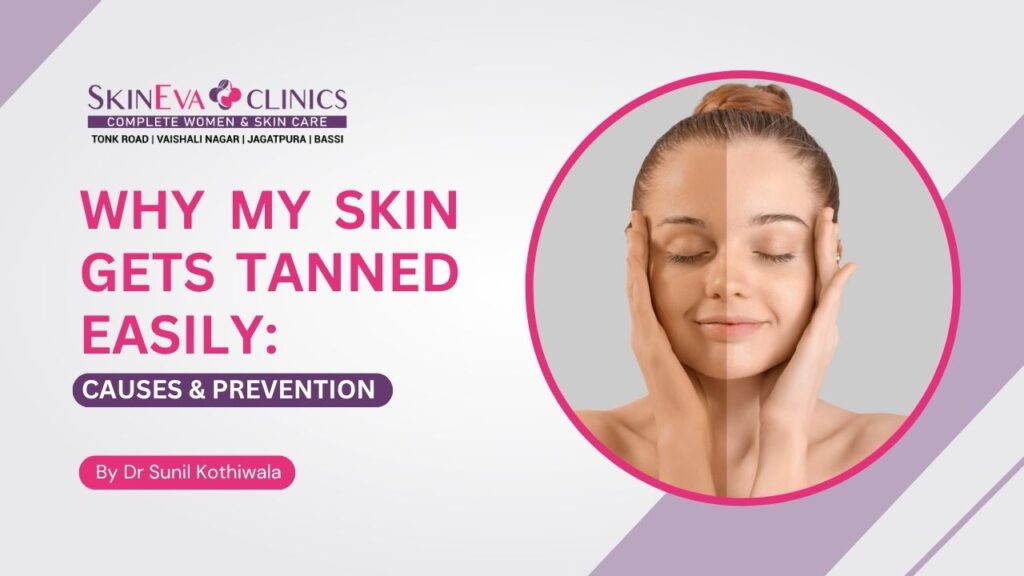
Do you notice your skin becoming darker after spending only a short time in the sun? Have you ever wondered, “Why does my skin get tanned so easily while others don’t?” If yes, you are not alone. Many people experience quick tanning and often feel frustrated when their skin tone becomes uneven, dull, or darker despite trying different skincare products.
Skin tanning is your body’s natural protective response to sun exposure. When your skin comes into contact with ultraviolet (UV) rays, it starts producing more melanin — the pigment responsible for skin color — to protect the deeper layers of the skin from damage. Some people naturally produce melanin faster and in larger amounts, which is why they tan more easily than others.
However, easy tanning is not just about genetics. Factors such as hormones, pollution, skincare habits, medications, stress, heat exposure, and lifestyle can also contribute to skin darkening and pigmentation.
What Is Skin Tanning?
Skin tanning is the darkening of the skin caused by exposure to ultraviolet (UV) radiation from the sun. It happens when the body increases melanin production to protect the skin from UV damage. Melanin acts like a natural shield. The more melanin your body produces, the darker your skin becomes after sun exposure. While tanning may seem like a cosmetic issue, it actually shows that your skin is protecting itself from harmful sun exposure.
Why My Skin Gets Tanned Easily?: The Science Behind It
1. High Melanin Production
The biggest reason some people tan easily is increased melanin production.
Melanin is the natural pigment that gives color to:
• Skin
• Hair
• Eyes
When your skin is exposed to sunlight, special skin cells called melanocytes produce more melanin to protect the deeper layers of the skin from UV radiation.
People with:
• Wheatish skin
• Olive skin
• Brown skin
• Dusky skin tones
usually have more active melanin production and therefore tan faster.
2. Active Melanocytes
Some people naturally have highly active melanocytes. These cells respond very quickly to sunlight and release large amounts of melanin even after short sun exposure.
This is why some people notice tanning after:
• Walking outside briefly
• Driving
• Outdoor workouts
• Daily commuting
• Standing in sunlight for a few minutes
3. Genetics and Skin Type
Genetics strongly affect how your skin reacts to sunlight.
Your genes decide:
• Your natural skin tone
• How much melanin your body makes
• How quickly your skin tans or burns
People with medium to darker skin tones usually belong to Fitzpatrick Skin Types III to VI, which are more prone to tanning than burning.
Some people inherit skin that:
• Burns easily
• Tans deeply
• Develops pigmentation faster
• Becomes uneven after sun exposure
4. Higher Eumelanin Levels
There are two major types of melanin:
• Eumelanin (brown-black pigment)
• Pheomelanin (red-yellow pigment)
People who tan easily usually produce more eumelanin. This helps protect against sunburn but also causes faster and darker tanning.
5. Heat Can Also Trigger Tanning
Many people believe tanning only happens due to direct sunlight, but intense heat can also stimulate melanin production.
This means you may tan during:
• Outdoor exercise
• Cooking near heat
• Hot weather exposure
• Long hours outdoors
• Working in warm environments
Even without visible sunlight, heat and infrared radiation can contribute to pigmentation.
Common Reasons Why Skin Gets Darker Without Sun Exposure
Sometimes the skin becomes darker even without spending much time in the sun. Several internal and external factors can contribute to this.
1. Hormonal Changes
Hormones play a major role in skin pigmentation.
Conditions like:
• Pregnancy
• Thyroid imbalance
• Hormonal fluctuations
• Birth control pills
can trigger excess melanin production.
This often leads to melasma — dark patches commonly seen on:
• Cheeks
• Forehead
• Upper lip
• Jawline
2. Post-Inflammatory Hyperpigmentation (PIH)
Any skin inflammation can leave behind dark marks after healing.
Common causes include:
• Acne
• Pimples
• Allergies
• Rashes
• Insect bites
• Scratching
The skin produces extra pigment during healing, causing lingering dark patches.
3. Certain Medications
Some medicines may increase skin pigmentation as a side effect.
These include:
• Antibiotics
• Hormonal medicines
• Birth control pills
• Anti-seizure medications
If your skin suddenly becomes darker after starting a medicine, consult your doctor.
4. Stress and Lack of Sleep
Chronic stress increases cortisol levels, which can affect:
• Skin repair
• Pigment balance
• Skin brightness
Poor sleep may also lead to:
• Dull skin
• Dark circles
• Uneven complexion
5. Pollution Exposure
Air pollution can damage the skin barrier and increase oxidative stress.
As a defense mechanism, the skin may produce more melanin, leading to:
• Dullness
• Uneven tone
• Pigmentation
• Premature aging
6. Nutritional Deficiencies
Deficiency of important nutrients may affect skin health and brightness.
Low levels of:
• Vitamin B12
• Vitamin C
• Vitamin E
can contribute to pigmentation and dull-looking skin.
7. Wrong Skincare Products
Harsh or unsuitable skincare products can irritate the skin and trigger pigmentation.
Common causes include:
• Strong exfoliants
• Overuse of acids
• Expired products
• Steroid creams
• Incorrect skincare combinations
Skin irritation often leads to post-inflammatory darkening.
8. Hormonal Disorders
Conditions like:
• PCOS
• Insulin resistance
• Adrenal disorders
may cause darkening around:
• Neck
• Underarms
• Inner thighs
This condition is sometimes called acanthosis nigricans.
9. Dehydration and Weak Skin Barrier
Dry and damaged skin reflects light unevenly, making the skin appear:
• Dull
• Ashy
• Darker
• Uneven
Hydration is essential for healthy, glowing skin.
10. Lifestyle Factors
Certain habits gradually worsen skin tone over time.
These include:
• Smoking
• Poor diet
• Excess caffeine
• Alcohol
• Lack of exercise
• Irregular sleep
How to Prevent Skin Tanning?
1. Use Sunscreen Daily
Sunscreen is the most important step in preventing tanning.
Choose:
• Broad-spectrum sunscreen
• SPF 30 or higher
• PA+++ or PA++++ protection
Apply sunscreen:
• 15–20 minutes before sun exposure
• Even on cloudy days
• Indoors if near windows
Reapply every 2–3 hours outdoors.
2. Wear Protective Clothing
Protective clothing reduces direct UV exposure.
Use:
• Full sleeves
• Sunglasses
• Hats
• Umbrellas
• Cotton clothing
3. Avoid Peak Sun Hours
Sun exposure is strongest between:
• 10 AM to 4 PM
Try to stay in shade during these hours whenever possible.
4. Keep Skin Hydrated
Drink enough water and use moisturizers to maintain a healthy skin barrier.
Hydrated skin looks:
• Healthier
• Brighter
• More even-toned
5. Follow a Good Skincare Routine
A proper skincare routine helps protect and repair the skin.
Useful ingredients include:
• Vitamin C
• Niacinamide
• Hyaluronic acid
• Ceramides
• Retinol (under guidance)
Conclusion
If your skin gets tanned easily, it usually means your body produces melanin quickly to protect itself from UV damage. Genetics, skin type, hormones, heat, pollution, lifestyle, and skincare habits all influence how your skin reacts to sunlight.
Although tanning may seem harmless, it is actually a sign that the skin is under stress from UV exposure. Without proper care, repeated tanning can lead to pigmentation, uneven skin tone, premature aging, and long-term skin damage.
The good news is that with proper sun protection, skincare, hydration, and healthy lifestyle habits, you can reduce tanning and maintain healthier skin. Daily sunscreen use, protective clothing, and avoiding excessive sun exposure are some of the most effective ways to protect your skin.
If your tanning or pigmentation becomes severe, persistent, or sudden, consulting a dermatologist can help identify the underlying cause and provide the right treatment for your skin type.
Leave a Comment