


Adult Acne: Causes, Prevention & Dermatologist-Recommended Treatments
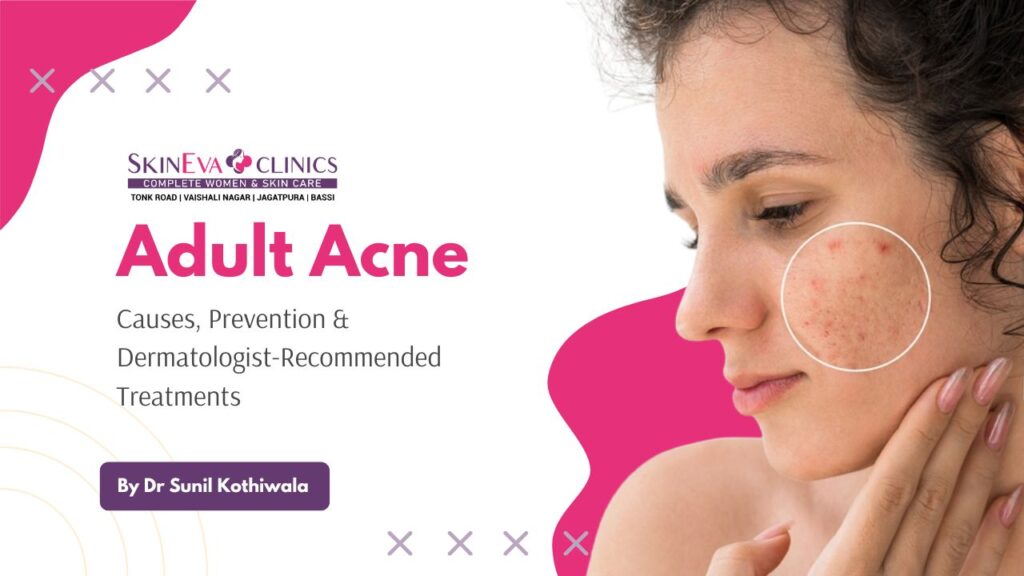
Think acne ends after your teenage years? Unfortunately, that’s not true. Adult acne is a very common skin concern that can affect people well into their 30s, 40s, and even 50s. In fact, many adults experience acne for the first time later in life, even if they had clear skin during their teenage years.
Also known as post-adolescent acne, this condition often presents as painful cysts, inflamed papules, blackheads, or recurring breakouts—especially around the lower face, jawline, chin, and neck. Compared to teenage acne, adult acne tends to be more persistent, deeper, and sometimes more difficult to treat.
It is more commonly seen in women due to hormonal fluctuations related to menstrual cycles, pregnancy, or conditions like Polycystic Ovary Syndrome. However, men are not immune—factors like stress, lifestyle habits, and skincare routines can also trigger acne in adult males.
The good news? Adult acne is manageable. With the right skincare approach, lifestyle changes, and guidance from a dermatologist, you can effectively control breakouts and achieve clearer, healthier skin over time.
What Is Adult Acne?
Adult acne refers to acne that either continues beyond adolescence or begins after the age of 25. It is a chronic inflammatory skin condition that affects the oil glands (sebaceous glands) and hair follicles, leading to clogged pores and breakouts.
This condition can appear in different forms, including:
- Whiteheads and blackheads (comedones)
- Red, inflamed pimples (papules and pustules)
- Deep, painful cysts or nodules
- Recurring breakouts in the same areas
In many cases, it is linked to hormonal imbalances, excess oil production, bacterial growth, and inflammation. Conditions like Acne Vulgaris are often the underlying cause, but in adults, triggers like stress, diet, improper skincare, and environmental factors also play a major role.
What Causes of Adult Acne?
Adult acne develops due to a combination of internal (hormonal, genetic) and external (lifestyle, environment) factors. At its core, acne forms when certain processes in the skin go out of balance.
Core Causes of Acne Formation
- Excess oil (sebum) production
Overactive oil glands produce too much sebum, making the skin greasy and more prone to breakouts. - Clogged pores
Dead skin cells mix with oil and block hair follicles, creating the perfect environment for acne to form. - Bacterial growth (Cutibacterium acnes)
Acne-causing bacteria multiply inside clogged pores, leading to infection and swelling. - Inflammation
The body’s immune response to bacteria and clogged pores causes redness, pain, and visible pimples.
These four factors together lead to conditions like Acne Vulgaris, which is the most common type of acne seen in adults.
Key Causes & Triggers of Adult Acne
1. Hormonal Fluctuations
One of the most common and strongest triggers of adult acne, especially in women. Hormonal changes increase androgen levels, which stimulate oil glands and lead to excess sebum production.
Common triggers include:
- Menstrual cycle
- Pregnancy
- Menopause
- Conditions like Polycystic Ovary Syndrome
This often results in deep, painful breakouts around the jawline and chin.
2. Stress
Stress plays a major role in worsening acne. When stressed, the body releases cortisol, which:
- Boosts oil production
- Triggers inflammation
- Delays skin healing
That is why acne breakouts are more frequent during stressful times.
3. Genetics (Family History)
If acne is common in your family, you may also be prone to it. Genetics can affect:
- Activity of oil glands
- Skin sensitivity
- Hormonal response
This makes some people naturally more prone to persistent adult acne.
4. Skincare & Hair Products
Using the wrong products can silently trigger breakouts. Common culprits include:
- Oily or comedogenic (pore-clogging) products
- Heavy makeup or sunscreen
- Dirty makeup brushes and tools
These block pores and create a buildup that leads to acne over time.
5. Diet & Lifestyle Factors
Your diet and lifestyle directly influence your skin health. Certain habits can increase inflammation and oil production:
- High sugar and refined carbohydrates
- Excess dairy consumption
- Poor sleep and irregular routine
These factors can aggravate acne and make it harder to manage.
6. Medications
Certain medications may trigger or worsen acne as a side effect, such as:
- Corticosteroids
- Lithium
- Hormonal medications or birth control pills
If acne suddenly appears after starting a medication, it’s important to consult your doctor.
7. Environmental Factors
External conditions also contribute to adult acne by clogging pores and irritating the skin:
- Pollution and dust
- Excessive sweating
- Humidity and heat
These factors trap dirt, oil, and bacteria, increasing the risk of breakouts.
How to Treat Adult Acne – Dermatologist-Approved Treatments
Treating adult acne requires a targeted approach based on the severity and underlying cause. While mild cases can be managed with skincare products, moderate to severe acne often needs medical treatment. The goal is to control oil production, clear clogged pores, reduce bacteria, and prevent future breakouts.
1. Topical Treatments (First-Line Treatment)
Topical treatments are usually the first line of treatment and are applied directly to the skin:
- Retinoids (like tretinoin)
Retinoids (like tretinoin) help speed up cell turnover, unclog pores, and prevent new acne. They are considered a gold standard in treating Acne Vulgaris. - Benzoyl Peroxide
Benzoyl Peroxide reduces bacteria and inflammation effectively. It is commonly used in cleansers and spot treatments. - Salicylic Acid
Salicylic Acid is a BHA that penetrates pores, removes excess oil, and clears blackheads and whiteheads. - Azelaic Acid
Helps reduce redness, inflammation, and post-acne marks, making it ideal for sensitive or acne-prone skin.
These treatments should be used consistently and under guidance to avoid irritation.
2. Oral Medications
For moderate to severe acne, dermatologists may recommend oral medicines:
- Antibiotics (like doxycycline or clindamycin)
Help reduce bacterial growth and calm inflammation. - Hormonal Therapy (like spironolactone for women)
Especially effective for hormonal acne, as it controls androgen levels and reduces oil production. - Isotretinoin (oral retinoid)
Isotretinoin (oral retinoid) is used for severe acne that does not respond to other treatments. It works by shrinking oil glands and preventing future breakouts.
These medications must always be taken under strict dermatologist supervision due to possible side effects.
3. Chemical Peels
Chemical peels use acids like glycolic acid or salicylic acid to exfoliate the skin:
- Remove dead skin cells
- Unclog pores
- Improve overall skin texture and tone
Regular sessions can help reduce acne and fade post-acne pigmentation.
4. Laser & Light Therapy
Advanced treatments like laser and light therapy target acne at a deeper level:
- Kill acne-causing bacteria
- Control excess oil production
- Reduce inflammation and improve skin clarity
These treatments are especially useful for stubborn or recurring acne.
5. Steroid Injections
For large, painful cystic acne, dermatologists may use corticosteroid injections:
- Quickly reduce swelling and pain
- Flatten deep cysts within a short time
- Help prevent scarring
This is usually done for emergency or severe breakout situations.
6. Acne Extraction Procedures
Professional extraction is a safe way to remove stubborn acne lesions:
- Blackheads and whiteheads are removed using sterile tools
- Helps prevent infection and scarring
- Should always be performed by a trained professional (never at home)
How to Prevent Adult Acne?
Along with treatment, prevention plays a key role in maintaining long-term clear and healthy skin. Following the right daily habits can help reduce breakouts and control conditions like Acne Vulgaris effectively.
Use Gentle, Non-Comedogenic Skincare Products
Always choose skincare and makeup products labeled “non-comedogenic,” “oil-free,” or “won’t clog pores.” These products are specially designed to prevent pore blockage and reduce the chances of breakouts. Avoid heavy or greasy formulations that can trap oil and dirt on the skin.
Cleanse Your Face Twice Daily (Avoid Over-Washing)
Washing your face twice a day helps remove excess oil, dirt, and pollution. However, over-cleansing or using harsh scrubs can damage the skin barrier, leading to irritation and increased oil production. Stick to a mild, gentle cleanser for best results.
Never Sleep with Makeup On
Leaving makeup on overnight can clog pores and lead to acne breakouts. Always remove makeup thoroughly before going to bed to allow your skin to breathe and repair itself.
Avoid Touching or Picking Your Skin
Touching your face frequently transfers bacteria and oil from your hands to your skin. Picking or squeezing pimples can worsen inflammation, spread infection, and increase the risk of acne marks and scarring.
Maintain a Healthy Diet & Lifestyle
Your internal health reflects on your skin.
- Limit sugar, refined carbs, and excessive dairy
- Drink enough water
- Get proper sleep
- Exercise regularly
These habits help reduce inflammation and balance hormones, which play a major role in acne.
Manage Stress Effectively
High stress levels increase cortisol, which stimulates oil glands and triggers breakouts. Practicing stress management techniques like meditation, exercise, or proper rest can help control acne flare-ups.
Keep Makeup Tools & Personal Items Clean
Dirty makeup brushes, pillowcases, and even mobile phones can carry bacteria and oil. Regularly cleaning these items prevents buildup that can transfer to your skin and cause breakouts.
Avoid Oily Hair & Skincare Products
Hair oils, sprays, and heavy creams can come in contact with your face and clog pores. Try to keep such products away from acne-prone areas.
Use Sunscreen Daily
Applying sunscreen (SPF 30 or higher) protects skin from sun damage and prevents acne marks from darkening. It also supports overall skin health.
Be Consistent & Patient
Acne prevention takes time. Avoid changing products too often; give your routine enough time. Consistency is key for clear skin.
Conclusion
Adult acne is more common than people think and can affect individuals beyond teenage years. Whether it’s caused by hormonal changes, stress, lifestyle habits, or underlying conditions like Polycystic Ovary Syndrome, the key to clear skin lies in understanding the root cause rather than just treating the surface symptoms.
The good news is that adult acne can be managed effectively. With the right combination of skincare, healthy lifestyle choices, and dermatologist-recommended treatments, you can control breakouts, reduce inflammation, and prevent future acne. Consistency, patience, and the right guidance are essential for long-term results.
If acne is severe or persistent, consult a dermatologist for a customized treatment plan and healthier skin.
Leave a Comment